Blog
-

Vibe Coding Course
- HOME
- –
- Vibe Coding Course
Vibe Coding Course
About Course
Course Duration : 4-6 weeks
The Vibe Coding Course is designed to train learners in mastering modern coding skills with a practical, logic-driven, and creative approach to programming. This course focuses on understanding how code works in real-world applications, helping learners build strong fundamentals in programming, problem-solving, and development workflows.
The Vibe Coding Course emphasizes hands-on practice, real-time coding projects, and structured learning to help individuals, students, and professionals become confident coders. You will learn how to write clean code, debug efficiently, and apply coding concepts across various industries. By the end of the Vibe Coding Course, you’ll be able to build functional applications, improve productivity, and develop smarter coding workflows
Course Objectives
- Gain a strong foundation in core coding concepts and programming logic.
- Master practical coding skills through hands-on projects.
- Learn to design, develop, and manage real-world applications.
- Enhance problem-solving and debugging capabilities.
- Build confidence to work on live projects and client requirements.
Why This Course Matters
- Coding is essential for businesses, startups, and technology-driven industries.
- It is one of the most in-demand skills in today’s digital economy.
- Opens doors to high-growth careers in IT, software development, and startups.
- Empowers entrepreneurs to build digital solutions with minimal investment.
- Ideal for freelancers and professionals aiming to offer coding services.
- Enables remote work, freelancing, and independent tech ventures.
Course Benefits
- 100% hands-on coding training with real-time projects
- Personalized mentoring and one-on-one doubt-clearing sessions
- Exposure to modern development tools and environments
- Industry-recognized certificate of completion
- Career guidance and job placement assistance
- Internship opportunities for real-world coding experience
Core Principles You’ll Learn
- Logical thinking and problem-solving techniques
- Writing clean, optimized, and reusable code
- Understanding application structure and workflows
- Debugging and performance optimization
- Version control and collaborative development
- Building scalable and efficient solutions
Course Modules
- Understand the fundamentals of programming and logic building
- Learn how coding has evolved in modern applications
- Explore career paths and opportunities in software development
- Learn variables, conditions, loops, and functions
- Work with structured and modular code
- Build a strong coding mindset
- Learn HTML, CSS, and JavaScript fundamentals
- Build responsive and interactive user interfaces
- Understand user experience and UI logic
- Understand server-side logic and application flow
- Learn basic APIs and backend connectivity
- Integrate frontend and backend components
- Learn how data is stored and managed
- Perform CRUD operations
- Handle real-world data efficiently
- Build real-world applications from scratch
- Apply coding best practices in live projects
- Understand deployment-ready development workflows
- Identify and fix common coding errors
- Optimize code for performance and scalability
- Learn testing and validation techniques
- Use Git and GitHub for version control
- Collaborate on team-based coding projects
- Manage updates and code revisions effectively
- Learn how to work on client-based coding projects
- Build a strong developer portfolio
- Understand pricing, proposals, and delivery models
- Follow clean code principles
- Handle complex coding challenges
- Think and work like a professional developer
- Automate repetitive coding tasks
- Improve development speed and efficiency
- Streamline workflows using modern coding tools
Why Choose Us for make your better future?
-
Expert Trainer
Our team of expert trainers brings years of industry experience and expertise to guide you towards success.
-

Comprehensive and Up-to-date Curriculum
With a comprehensive and up-to-date curriculum, you'll gain the skills and knowledge needed to excel in the digital world.
-

Hands-on Learning
Our hands-on learning approach ensures practical application of your newfound knowledge, and our personalized attention and support guarantee a tailored learning experience.
-

Valuable Industry Connections
We also offer valuable industry connections and networking opportunities to help you build a strong professional network.

FAQ’s – Vibe Coding Course
1. What is the scope of the Vibe Coding Course?
The scope of the Vibe Coding Course is growing rapidly as businesses increasingly adopt software solutions, automation, and web-based systems. IT companies, startups, manufacturers, and service providers actively seek skilled developers, making the Vibe Code Course a strong career option across industries.
2. Can I join the Vibe Code Course without a technical background?
Yes, the Vibe Code Course is completely beginner-friendly. No prior technical knowledge is required. The course starts from the basics and explains coding concepts in a simple, practical manner, making it suitable for students from arts, commerce, and non-technical backgrounds.
3. Will I get job assistance after completing the Vibe Coding Course?
Yes. After completing the Vibe Coding Course, you receive complete job assistance, including resume preparation, interview training, and job referrals. Many learners successfully secure roles in IT companies, startups, and tech-driven organizations.
4. Do I get a certificate after the Vibe Code Course?
Yes. Upon successful completion of the Vibe Code Course, you will receive a professional certificate that can be added to your resume, LinkedIn profile, and freelancing profiles.
5. Are practical projects included in the Vibe Coding Course?
Absolutely. The Vibe Coding Course strongly focuses on practical learning through real-world projects such as application development, logic-based systems, and coding assignments that prepare you for professional and client-level work.
6. What tools and technologies are covered in the Vibe Code Course?
The Vibe Code Course includes hands-on experience with programming languages, code editors, GitHub, databases, and modern development tools commonly used in real-world software projects.
7. Is the Vibe Coding Course suitable for business owners?
Yes. The Vibe Coding Course is ideal for business owners who want to build their own software solutions, manage digital systems internally, or reduce dependency on external developers.
8. Can I start freelancing after completing the Vibe Code Course?
Yes. After completing the Vibe Code Course, you’ll receive guidance on portfolio creation, client acquisition, pricing strategies, and working on freelancing platforms such as Fiverr, Freelancer, and Upwork.
9. What if I miss a session in the Vibe Coding Course?
No worries. The Vibe Coding Course provides backup sessions, recorded lectures, and doubt-clearing support to ensure uninterrupted and effective learning.
10. Do you offer weekend batches for the Vibe Code Course?
Yes. Weekend and evening batches are available for students, working professionals, and entrepreneurs enrolled in the Vibe Code Course.
11. What are the career and income opportunities after the Vibe Coding Course?
After completing the Vibe Coding Course, freshers can start with salaries ranging from ₹15,000 to ₹30,000 per month. Freelancers can earn per project, while entrepreneurs can build scalable tech solutions independently.
12. Can I start my own tech or software service after the Vibe Code Course?
Yes. The Vibe Code Course equips you with the skills needed to start your own coding or software service business, manage clients, and deliver professional projects confidently.
13. Is there post-course support after the Vibe Coding Course ends?
Yes. We provide post-course mentorship, freelancing guidance, career updates, and alumni network access for up to 6 months after completing the Vibe Coding Course.
Conclusion
If you’re looking to build a strong future in technology, the Vibe Coding Course is the ideal choice. With expert trainers, hands-on projects, flexible batches, and complete career support, the Vibe Code Course equips you with the skills and confidence needed to succeed in the coding and software development industry.
-
OpenAI Agent Builder Course Thank You
Thank You For Contact Us
We received your message successfully and We will contact you as soon as possible.
-

OpenAI Agent Builder Course
- HOME
- –
- OpenAI Agent Builder Course
OpenAI Agent Builder Course
About Course
Course Duration : 10-12 weeks
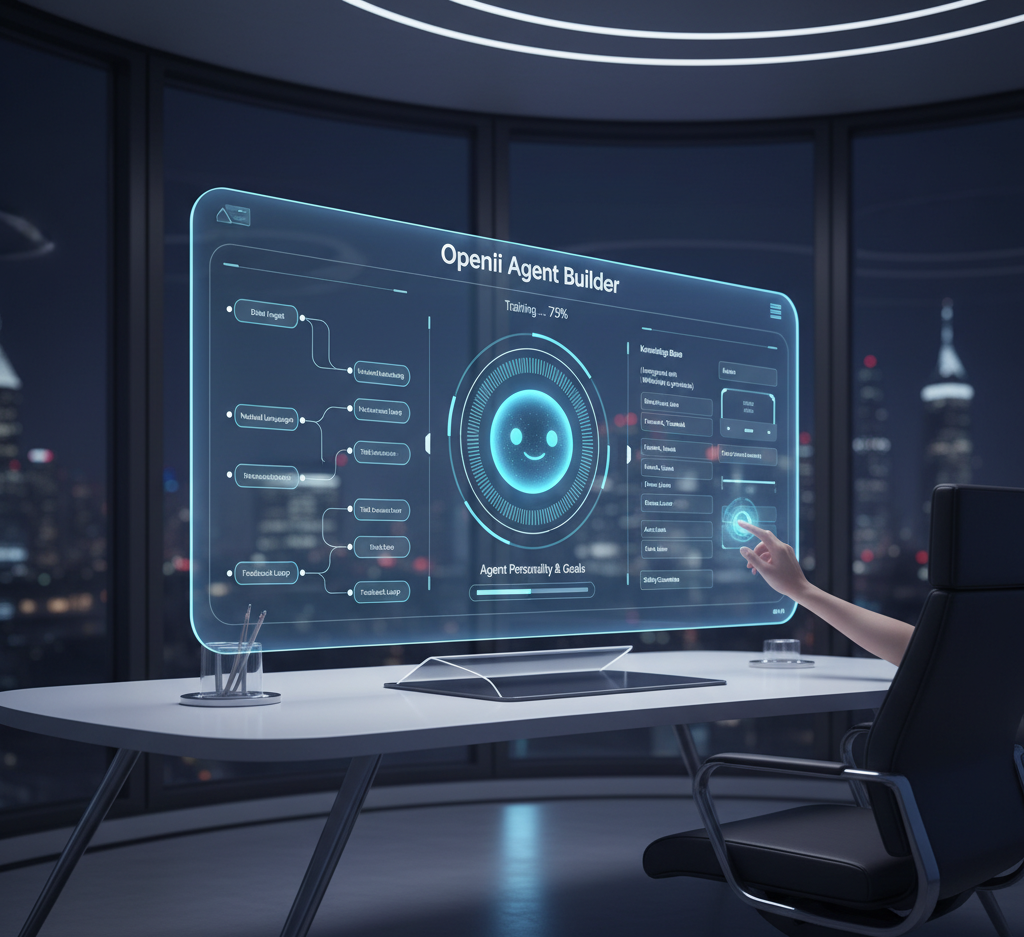
The OpenAI Agent Builder Course is designed to help learners, developers, and entrepreneurs understand how to build, deploy, and integrate custom AI agents using OpenAI’s latest Agent Builder platform. This course covers everything — from setting up the OpenAI environment and API integration to automating workflows and embedding AI agents into real-world applications.
Whether you want to create customer support bots, lead generation assistants, or intelligent automation systems, this course gives you hands-on knowledge to build production-ready AI agents that enhance user experience and business productivity.
Course Objectives
- To help learners understand OpenAI’s Agent Builder platform and its use cases.
- To teach step-by-step methods for building, customizing, and deploying AI agents.
- To explore API integration and workflow automation using OpenAI tools.
- To help learners design agents that solve real-world business problems.
- To train professionals to integrate OpenAI agents into websites, CRMs, and applications.
Importance
- AI agents are the next generation of digital assistants that can automate complex workflows.
- Understanding OpenAI Agent Builder helps professionals stay ahead in the AI-powered business era.
- Companies are increasingly adopting AI agents for customer engagement, support, and automation.
- This skill allows you to build no-code or low-code intelligent bots without needing advanced AI programming.
- It creates career opportunities in AI development, automation strategy, and digital product innovation.
Course Benefits
- Learn hands-on AI agent creation using OpenAI tools.
- Gain real-world project experience for your portfolio and resume.
- Build AI agents that can integrate with external APIs, CRMs, and databases.
- Save time and costs by automating repetitive business tasks.
- Improve your career growth in AI, automation, and digital transformation.
- Access lifetime resources and updates about OpenAI ecosystem advancements.
Course Modules
- What is OpenAI Agent Builder?
- Understanding Agents vs Chatbots
- Applications of OpenAI Agents in Businesses
- Case Studies: Customer Support, Lead Generation, Task Automation
- Creating OpenAI account and accessing the Agent Builder dashboard
- Understanding Tokens, Models, and API keys
- Project setup and API configuration
- Role-based agent architecture overview
- Agent creation workflow
- Designing conversation logic
- Adding tools, actions, and memory
- Testing and debugging the AI agent
- Saving and publishing your agent
- Basics of prompts and instructions
- Few-shot and chain-of-thought prompting
- Designing role-based personalities
- Improving output quality with structured prompts
- Embedding agents into websites and CRMs
- Using API to connect with web or mobile apps
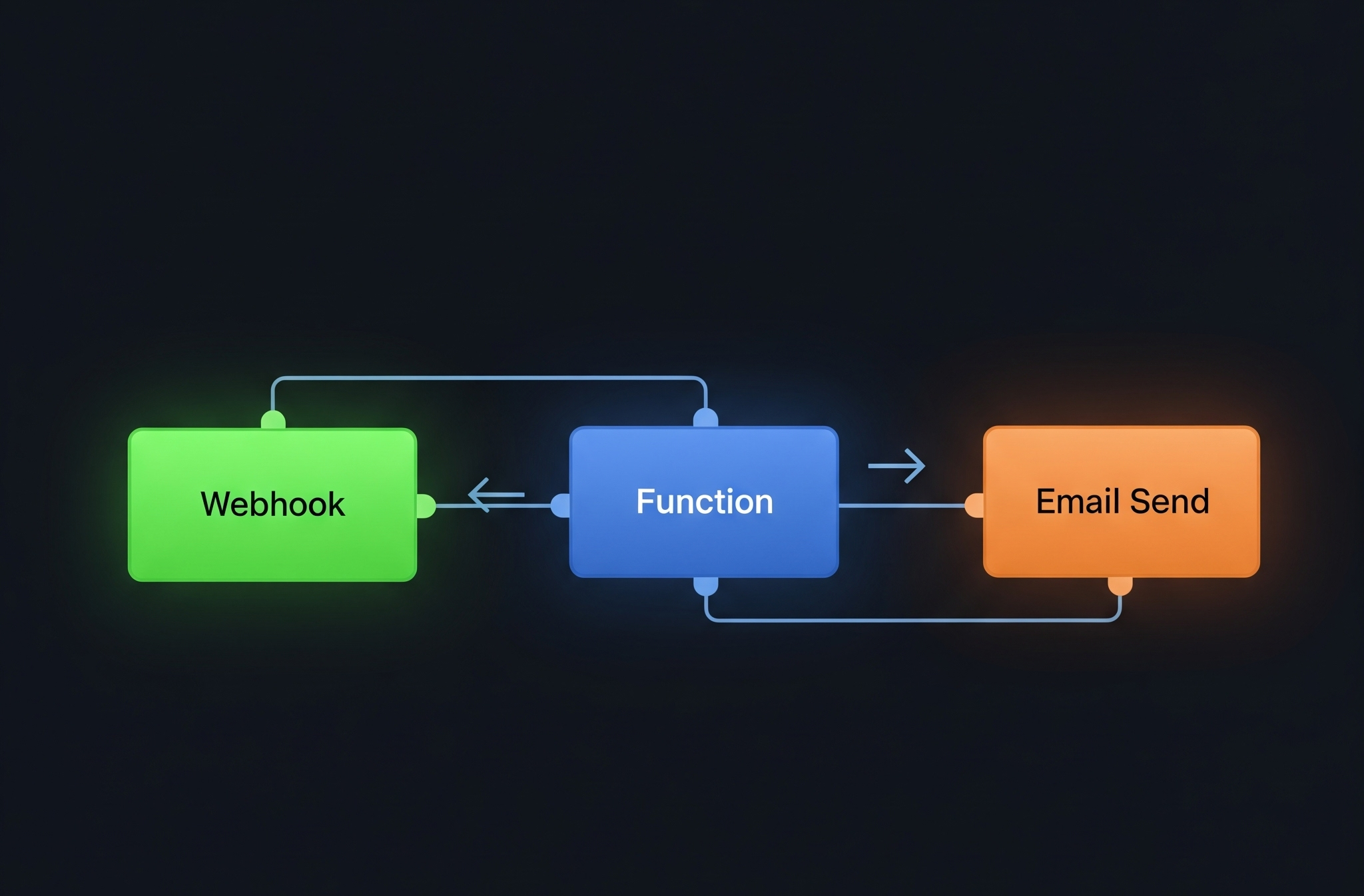
- Webhook integrations for real-time data flow
- Case example: AI Lead Assistant integration
- Connecting OpenAI Agents with Zapier, Make, or n8n
- Creating smart automation workflows
- AI-powered email and report generation
- Task delegation and data processing through AI
- Short-term vs long-term memory
- How to persist conversation data
- Maintaining personalization across sessions
- Using vector databases for context retention
- Adding external APIs (Google Sheets, Slack, etc.)
- Dynamic tool invocation
- Multi-agent collaboration setup
- Voice and image-based agent capabilities
- Publishing agents to production
- Securing API access and encryption
- Monitoring and analytics for performance
- Version control and model updates
- Build a fully functional OpenAI Agent
- Integrate it with a business use case (support, sales, or marketing)
- Evaluate performance and optimize response flow
Frequently Asked Questions
No, you don’t necessarily need deep coding knowledge. The course is designed so that people with minimal programming experience can follow along using the visual Agent Builder / AgentKit canvas. You’ll be using drag-and-drop style tools, logic nodes, tool integration modules, etc. That said, a basic understanding of APIs, JSON/data formats, or conditional logic helps when integrating external tools or debugging issues. If you do have some coding ability, you’ll be able to extend beyond the basics more smoothly.
By the end, you should be able to build varied real-world projects, such as: customer service chatbots that fetch data from databases or APIs, FAQ agents with guardrails to avoid inappropriate responses, research assistants that can loop through tasks, content summarization agents, automation bots to process files, and embed chat agents on websites using ChatKit or similar UI solutions. These agents will be deployable (not just demos) and you’ll have the knowledge to maintain, debug, and optimize them.
The course emphasizes safety and reliability. You’ll learn how to implement guardrails—these are filters or modules that ensure the agent doesn’t respond in harmful, unwanted, or unsafe ways. You’ll also learn how to create human–in-loop approval steps for sensitive tasks. Best practices in error handling, fallback logic, and content filtering are included to make your agent robust before deployment. Real-world deployment often needs monitoring and iteration; this course teaches you how to set up monitoring and logging to spot issues and refine behavior over time.
Pretty much any tool that provides an API or can be accessed via connector modules: web search engines, file storage (Google Drive, Dropbox etc.), databases, CRM tools, email systems, custom APIs. Also, embedding via ChatKit or similar UI layers for end user interface. If you’re using AgentKit’s tool registry, you’ll learn how to connect these cleanly. Course will cover examples of integrations and hands-on lab walks.
Yes. Deploying agents is often one of the trickier parts. You’ll be guided through embedding chatbot UIs, deploying on websites or apps, setting up ChatKit or similar front-end toolkits, handling hosting or API endpoints, even versioning the agent if needed. The course also shows how to monitor once deployed, how to iterate deployments, debug, optimize for performance, manage costs, etc.
Absolutely. The skills you gain—agent design, workflow logic, integration, deployment—are highly marketable. You’ll learn not only the technical side, but also how to package agents, how to present them to clients, define scope, pricing, and maintain agents. Businesses increasingly want automation, AI assistant tools—so someone who can build deployable, safe, working agents will have competitive advantages.
Beyond the course, you may incur costs for using OpenAI services (API usage, model usage, possibly subscription for AgentBuilder or AgentKit if not free), using external tools or hosting your deployment, maybe UI hosting, database or storage charges. The course will help you estimate such costs and plan for them. In many cases, you can begin with free tiers or minimal usage to experiment.
OpenAI’s agent tools are evolving fast (AgentKit, Agent Builder, ChatKit etc.). The course is structured to adapt to updates; instructors will often add new modules or update labs to cover recent features (tool registry, new guardrail options, new UI embedding, etc.). If your choice of course keeps being updated, you’ll keep getting relevant skills.
Many roles will benefit: product managers, AI engineers, internal automation leads, customer support managers, marketing teams, services consultants, research analysts. Industry use cases: customer service, knowledge bases, content creation, document processing, workflows (HR, operations), SaaS tools, eCommerce, etc.
Typically via hands-on labs or assignments (build specific agents), peer reviews or instructor feedback, a capstone project where you design, build, debug, and deploy an agent from scratch. Possibly quizzes or concept checks for safety, logic, or tool integration. The capstone project often becomes part of your portfolio.
Why Choose Us for make your better future?
-
Expert Trainer
Our team of expert trainers brings years of industry experience and expertise to guide you towards success.
-
Comprehensive and Up-to-date Curriculum
With a comprehensive and up-to-date curriculum, you'll gain the skills and knowledge needed to excel in the digital world.
-
Hands-on Learning
Our hands-on learning approach ensures practical application of your newfound knowledge, and our personalized attention and support guarantee a tailored learning experience.
-
Valuable Industry Connections
We also offer valuable industry connections and networking opportunities to help you build a strong professional network.
Related Courses
-

The Growing Role of Video Marketing in 2025
October 16, 2025
Digital MarketingIntroduction
Video marketing continues to dominate the digital landscape, and in 2025, its importance is set to skyrocket even further. Businesses in Ahmedabad and globally are leveraging video content to boost engagement, improve conversions, and strengthen brand presence.

A digital marketing course in Ahmedabad equips professionals with the skills to create, optimize, and distribute videos effectively.
Why Video Marketing Matters
Video captures attention like no other medium:
- Engages both visual and auditory senses

- Communicates complex messages quickly and effectively

- Boosts retention and understanding of content

This makes it an essential tool for modern digital marketing strategies.
Increased Mobile Consumption
With smartphones becoming the primary device for content consumption:
- Short-form videos are ideal for social media platforms

- Mobile-friendly formats increase engagement

- Vertical videos dominate stories, reels, and shorts

Businesses can reach audiences anytime, anywhere, enhancing visibility and brand recall.
Video Marketing for Social Media
Social platforms prioritize video content:
- Instagram, TikTok, and YouTube favor video in algorithms

- Live streaming encourages real-time engagement

- User-generated videos increase authenticity and trust

A digital marketing course teaches strategies to maximize video impact on social platforms.
Storytelling Through Video
Video is perfect for brand storytelling:
- Explains your product or service clearly

- Creates emotional connections with your audience
- Highlights brand values and culture
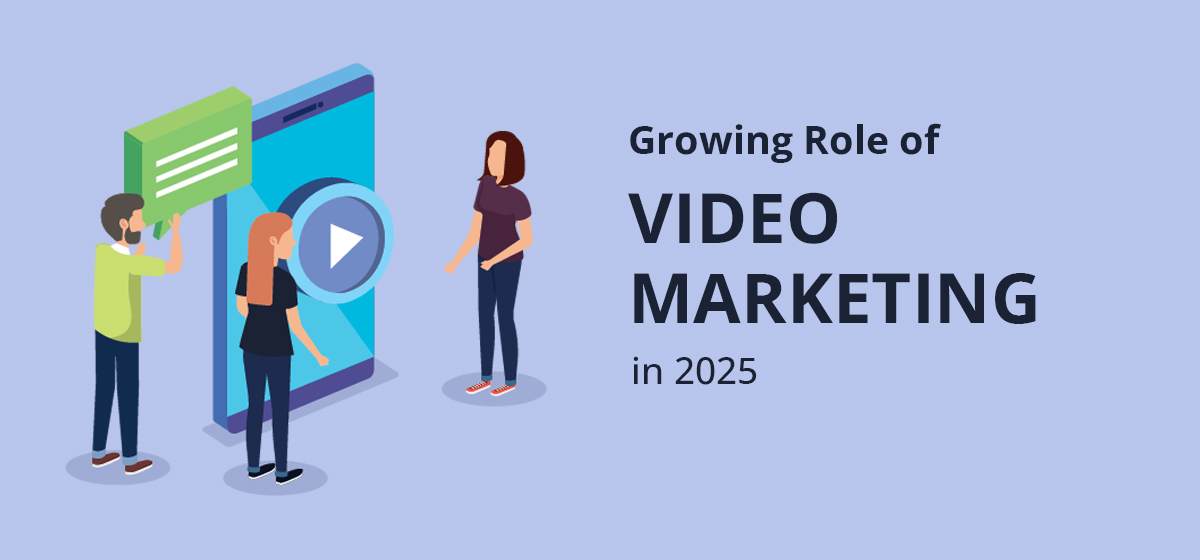
Story-driven videos increase engagement and loyalty.
Boosting Conversions with Video
Videos can drive conversions by:
- Demonstrating products in action

- Sharing testimonials and case studies

- Including clear CTAs in video content

Well-placed videos can significantly improve click-through rates and sales.
Types of Videos for Marketing
Businesses can use a variety of video formats:
- Explainer videos to clarify services

- Product demos for e-commerce
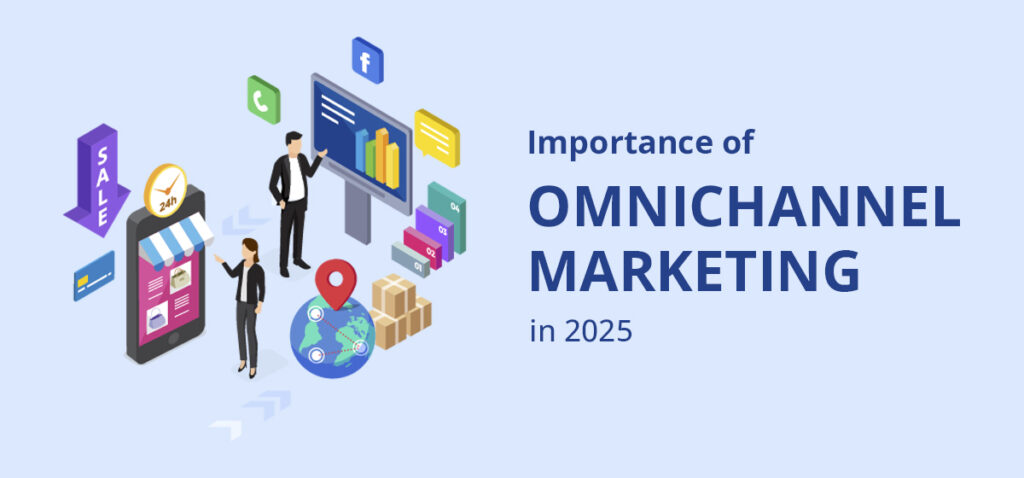
- Customer testimonials for trust-building
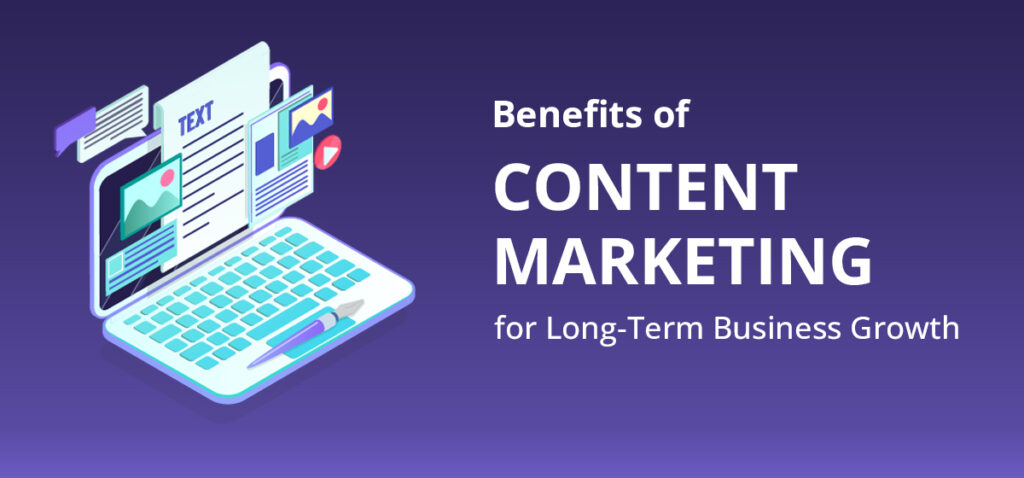
- Live streams and webinars for engagement
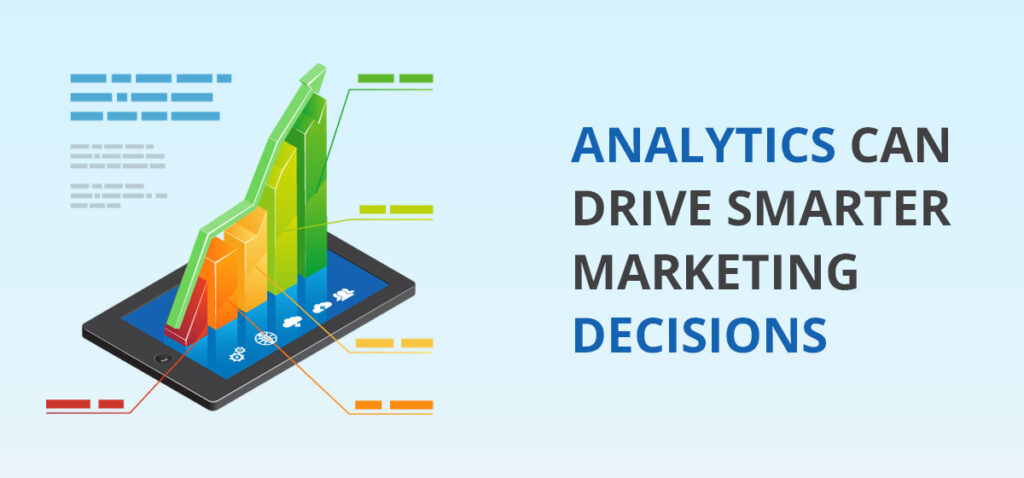
Courses guide marketers to select the right type for specific goals.
Video SEO and Discoverability
Optimizing videos ensures they reach the right audience:
- Add descriptive titles, tags, and descriptions
- Use transcripts and closed captions
- Host videos on YouTube or embed on websites
Proper SEO improves visibility and drives organic traffic.
Analytics and Performance Tracking
Video marketing is measurable:
- Track views, watch time, engagement, and conversions
- Analyze audience behavior to improve future content
- Optimize based on performance metrics
A digital marketing course in Ahmedabad teaches data-driven video strategies.
Future Trends in Video Marketing
In 2025, expect:
- Short-form videos dominating social media
- AR/VR integration for immersive experiences
- Interactive videos with clickable CTAs
- AI-generated video content for efficiency
Staying ahead ensures businesses remain relevant and competitive.
Conclusion
Video marketing is more crucial than ever in 2025. It engages audiences, drives conversions, strengthens brand presence, and complements other digital marketing efforts.
A digital marketing course in Ahmedabad equips professionals and business owners with skills to craft impactful video campaigns, harnessing the full potential of this powerful medium.
FAQs
Why is video marketing so effective?
It engages viewers visually and emotionally, increasing retention and conversions.Which platforms work best for video marketing?
YouTube, Instagram, TikTok, and Facebook are ideal for video content.Should businesses focus on short or long videos?
Short-form videos perform well for engagement; longer videos work for education and storytelling.How can video marketing improve SEO?
Optimized videos improve search rankings, increase website traffic, and enhance discoverability.Can small businesses benefit from video marketing?
Yes, even simple, authentic videos can boost engagement and drive sales effectively.Categories
Related Posts
-

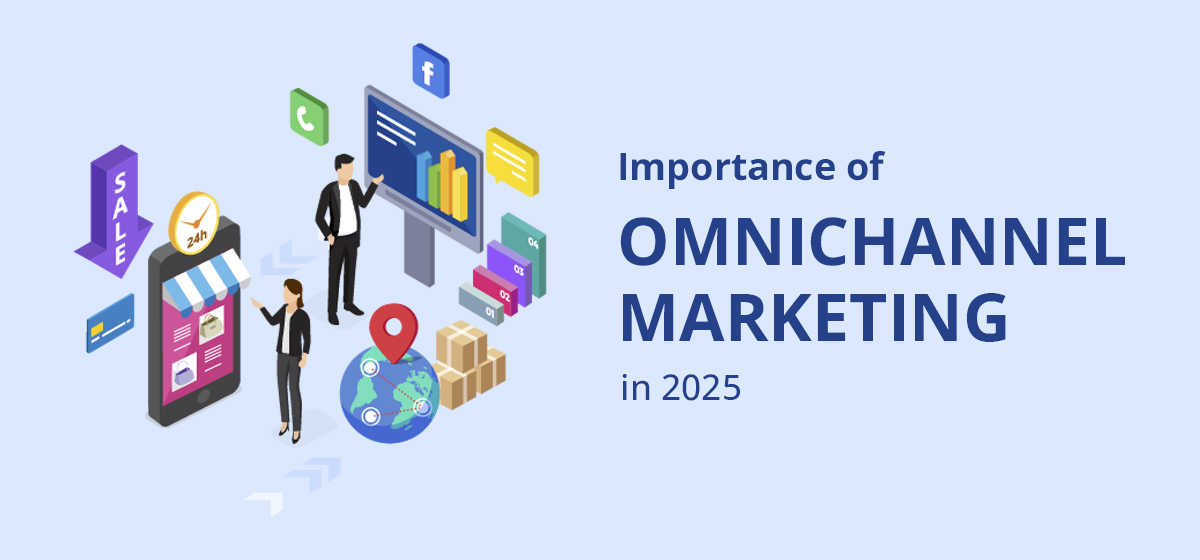
The Importance of Omnichannel Marketing in 2025
October 16, 2025
Digital MarketingIntroduction
In 2025, businesses are no longer limited to single-channel marketing. Omnichannel marketing integrates multiple touchpoints—online and offline—to create a seamless and consistent customer experience. For businesses in Ahmedabad, adopting this strategy can improve engagement, brand loyalty, and revenue.
A digital marketing course in Ahmedabad trains professionals to design and implement effective omnichannel campaigns.
What is Omnichannel Marketing?
Omnichannel marketing focuses on:
- Integrating all customer touchpoints (website, social media, email, in-store)
- Providing a consistent brand experience across platforms
- Ensuring customers can interact with your brand seamlessly
Unlike multichannel marketing, omnichannel emphasizes cohesion and customer-centricity.
Why Omnichannel Marketing Matters in 2025
Consumer behavior is evolving:
- Customers expect consistency across devices and platforms
- Shoppers move between online and offline channels effortlessly
- Personalized experiences increase satisfaction and loyalty
Omnichannel strategies align with these expectations, enhancing brand credibility.
Key Components of Omnichannel Marketing
Successful campaigns include:
- Integrated Messaging: Unified brand voice across channels
- Cross-Platform Tracking: Understanding customer interactions across touchpoints
- Personalization: Tailored offers, content, and recommendations
- Seamless Shopping Experience: Smooth transition between online and offline purchases
Courses guide marketers to implement these components effectively.
Benefits for Businesses
Omnichannel marketing provides:
- Enhanced Customer Experience: Consistent interactions increase satisfaction
- Higher Engagement: Multiple touchpoints reinforce brand messaging
- Increased Conversion Rates: Personalized and seamless experiences encourage purchases
- Stronger Brand Loyalty: Customers trust brands that understand their journey
For Ahmedabad businesses, these benefits translate to long-term growth and competitive advantage.
Personalization Across Channels
Using data analytics, marketers can:
- Offer product recommendations based on browsing behavior
- Send targeted emails or push notifications
- Adjust marketing messages according to customer preferences
Personalization ensures relevant and meaningful engagement at every touchpoint.
Integrating Online and Offline Strategies
Omnichannel is not limited to digital:
- Combine in-store promotions with social media campaigns
- Use QR codes to bridge physical and digital experiences
- Track offline customer behavior for online retargeting
Integration ensures a cohesive experience that strengthens brand recall.
Role of Automation and Analytics
Automation and analytics help:
- Track customer journeys in real time
- Automate personalized messaging
- Measure ROI across channels
A digital marketing course in Ahmedabad equips professionals with tools to manage omnichannel campaigns efficiently.
Future Trends in Omnichannel Marketing
In 2025, expect:
- Greater use of AI for personalization
- Enhanced AR/VR experiences
- Cross-device tracking for unified analytics
- Voice and mobile-first integrations
Staying updated ensures businesses remain competitive and customer-focused.
Conclusion
Omnichannel marketing is essential in 2025 to deliver seamless, personalized, and engaging experiences. By integrating multiple touchpoints, leveraging analytics, and adopting automation, businesses in Ahmedabad can increase engagement, conversions, and brand loyalty.
A digital marketing course in Ahmedabad provides the knowledge and skills to implement effective omnichannel strategies, driving long-term business success.
FAQs
What is the difference between omnichannel and multichannel marketing?
Omnichannel focuses on integrated, seamless experiences, while multichannel may operate independently across platforms.Why is omnichannel marketing important for local businesses?
It ensures consistency and enhances customer experience, driving loyalty and repeat sales.How can personalization improve omnichannel marketing?
Tailored messages and recommendations increase relevance and engagement across all channels.Can small businesses implement omnichannel strategies?
Yes, by integrating even a few key touchpoints, small businesses can create a cohesive customer journey.What role does automation play in omnichannel marketing?
Automation helps deliver personalized experiences consistently while tracking and analyzing customer behavior efficiently.Categories
Related Posts