



Introduction
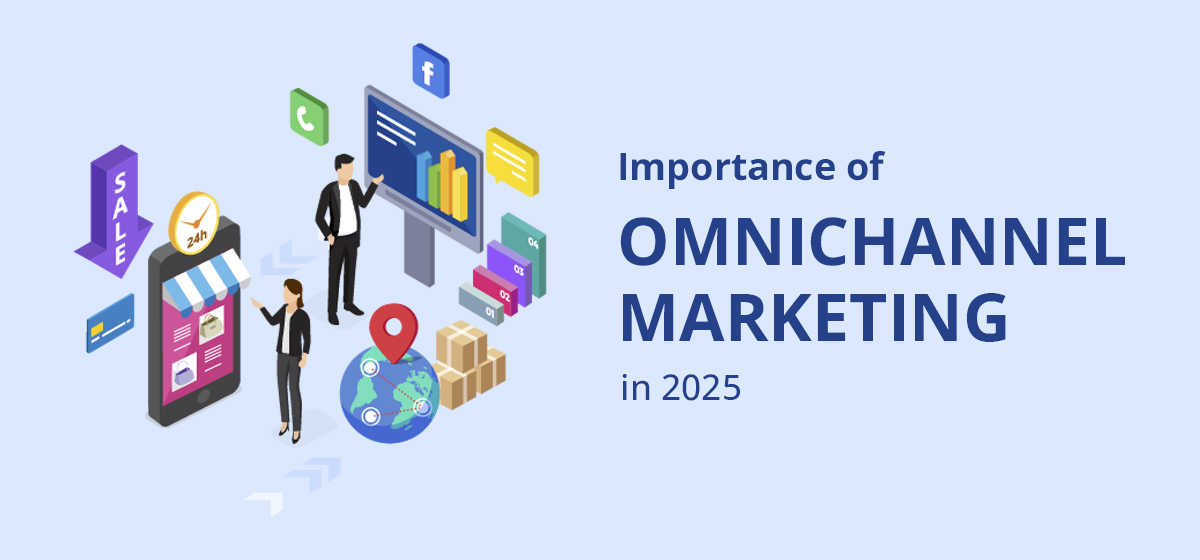
In 2025, businesses are no longer limited to single-channel marketing. Omnichannel marketing integrates multiple touchpoints—online and offline—to create a seamless and consistent customer experience. For businesses in Ahmedabad, adopting this strategy can improve engagement, brand loyalty, and revenue.
A digital marketing course in Ahmedabad trains professionals to design and implement effective omnichannel campaigns.
What is Omnichannel Marketing?
Omnichannel marketing focuses on:
- Integrating all customer touchpoints (website, social media, email, in-store)
- Providing a consistent brand experience across platforms
- Ensuring customers can interact with your brand seamlessly
Unlike multichannel marketing, omnichannel emphasizes cohesion and customer-centricity.
Why Omnichannel Marketing Matters in 2025
Consumer behavior is evolving:
- Customers expect consistency across devices and platforms
- Shoppers move between online and offline channels effortlessly
- Personalized experiences increase satisfaction and loyalty
Omnichannel strategies align with these expectations, enhancing brand credibility.
Key Components of Omnichannel Marketing
Successful campaigns include:
- Integrated Messaging: Unified brand voice across channels
- Cross-Platform Tracking: Understanding customer interactions across touchpoints
- Personalization: Tailored offers, content, and recommendations
- Seamless Shopping Experience: Smooth transition between online and offline purchases
Courses guide marketers to implement these components effectively.
Benefits for Businesses
Omnichannel marketing provides:
- Enhanced Customer Experience: Consistent interactions increase satisfaction
- Higher Engagement: Multiple touchpoints reinforce brand messaging
- Increased Conversion Rates: Personalized and seamless experiences encourage purchases
- Stronger Brand Loyalty: Customers trust brands that understand their journey
For Ahmedabad businesses, these benefits translate to long-term growth and competitive advantage.
Personalization Across Channels
Using data analytics, marketers can:
- Offer product recommendations based on browsing behavior
- Send targeted emails or push notifications
- Adjust marketing messages according to customer preferences
Personalization ensures relevant and meaningful engagement at every touchpoint.
Integrating Online and Offline Strategies
Omnichannel is not limited to digital:
- Combine in-store promotions with social media campaigns
- Use QR codes to bridge physical and digital experiences
- Track offline customer behavior for online retargeting
Integration ensures a cohesive experience that strengthens brand recall.
Role of Automation and Analytics
Automation and analytics help:
- Track customer journeys in real time
- Automate personalized messaging
- Measure ROI across channels
A digital marketing course in Ahmedabad equips professionals with tools to manage omnichannel campaigns efficiently.
Future Trends in Omnichannel Marketing
In 2025, expect:
- Greater use of AI for personalization
- Enhanced AR/VR experiences
- Cross-device tracking for unified analytics
- Voice and mobile-first integrations
Staying updated ensures businesses remain competitive and customer-focused.
Conclusion
Omnichannel marketing is essential in 2025 to deliver seamless, personalized, and engaging experiences. By integrating multiple touchpoints, leveraging analytics, and adopting automation, businesses in Ahmedabad can increase engagement, conversions, and brand loyalty.
A digital marketing course in Ahmedabad provides the knowledge and skills to implement effective omnichannel strategies, driving long-term business success.